Thermal Imaging Inspection in Montréal
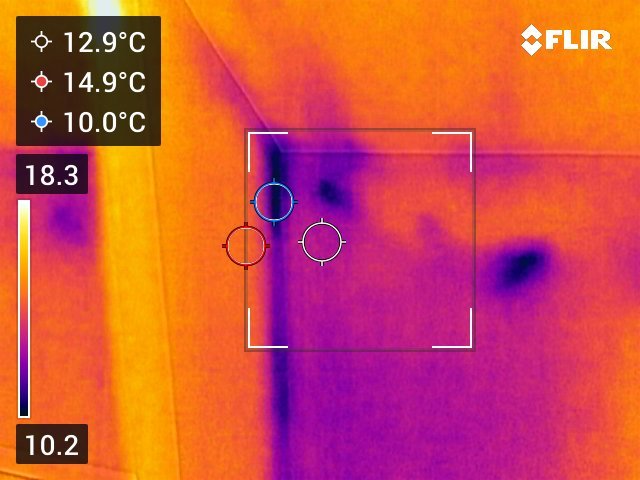
A cold draft along the baseboard, one room that never warms up, a ceiling stain after a thaw: a thermal camera helps find where these problems start. I'm Pantelis Ambatzis, a Certified Master Inspector (CMI®) with infrared certification, and I use thermal imaging on pre-purchase inspections and as a stand-alone service across Montréal, Laval, the West Island and the South Shore, in English or French.
What a thermal camera shows, and what it doesn't
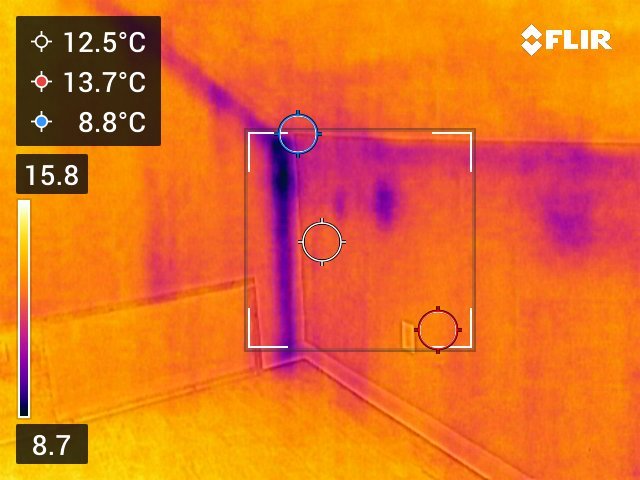
An infrared camera measures surface temperature. It doesn't see through walls and it doesn't see water or mold directly. It shows spots that are colder or warmer than they should be, and that tells me where to look. I then confirm with a moisture meter and a visual check before anything goes in the report.
That's why thermal imaging works best in the hands of an inspector: the image is the start of the diagnosis, not the answer.
What I look for
- Hidden moisture: wet insulation or drywall from a roof leak, a window, a shower or a plumbing line, often before any stain shows;
- Missing or settled insulation in exterior walls, attics and cathedral ceilings;
- Air leaks around windows, doors, electrical outlets, rim joists and attic hatches;
- Electrical hot spots: breakers, connections or wires running hotter than the rest of the panel;
- Radiant floor and heating issues: cold zones, blocked loops or uneven heat;
- Ice dam risk: heat escaping into the attic that melts snow on the roof.
When it works best in Montréal
Thermal imaging needs a temperature difference between inside and outside. Our winters make that easy from roughly November to April. In summer, I can still find moisture and electrical hot spots, and air conditioning helps create the contrast I need. If you're booking specifically for insulation and air leaks, a cold day gives the clearest images.
After a flood or water damage
After a leak, a sewer backup or a flood, the surface can look dry while the wall cavity stays wet. The camera helps map how far the water travelled so the repair contractor opens the right walls, not every wall. See flood inspection and moisture intrusion. If there's a musty smell or visible growth, a mold inspection with air sampling is the next step.
What you receive
I show you the thermal images on site and explain what they mean. The written report pairs each thermal image with a regular photo of the same spot, the moisture reading where relevant, and a plain recommendation: monitor, repair, or call a specialist. When thermal imaging is part of a pre-purchase inspection, the findings go into the same BNQ 3009-500 report.
Frequently asked questions
Can a thermal camera see mold?
No. It sees temperature differences. A cold, damp spot is where mold is likely to grow, so the camera tells me where to check with a moisture meter. Confirming mold takes a visual inspection and, when needed, air sampling with lab results.
Is thermal imaging included in a pre-purchase inspection?
I use the thermal camera during inspections wherever it helps, for example on finished basement walls, around windows and under bathrooms. Call me to confirm what's included for your property.
Can you do a thermal inspection on a house I already own?
Yes. Many owners call me for drafts, high heating bills, a recurring stain or after water damage. The inspection focuses on the problem you've noticed.
Does it damage anything?
No. Thermal imaging is non-invasive. Nothing is opened or drilled.
Drafts, a stain or recent water damage? Call 514-924-8887 for a same-day quote, or reach us through the contact page.