
Stab-Lok electrical panels: what Montréal home buyers should know
By Pantelis Ambatzis, CMI® · October 5, 2026
When I open the door of an electrical panel during an inspection, the first thing I read is the brand. One name always gets a longer look: Stab-Lok. In Canada these panels and breakers were sold mostly under the Federal Pioneer name, and you will still find them in a lot of houses around Montréal. Here is what they are, how I look at them, and what it means for you as a buyer.
What it is
Stab-Lok is a type of breaker panel where the breakers clip, or "stab", onto the metal bars inside the panel. In the United States the same design was made by Federal Pacific Electric, and it became known for breakers that may not trip when they should, during an overload or a short circuit. A breaker that doesn't trip doesn't protect the wiring, and that is how a small problem can turn into overheating or a fire. Whether the Canadian Federal Pioneer breakers behave the same way is still debated. In practice, many insurers ask about them anyway, and many electricians recommend replacing them.
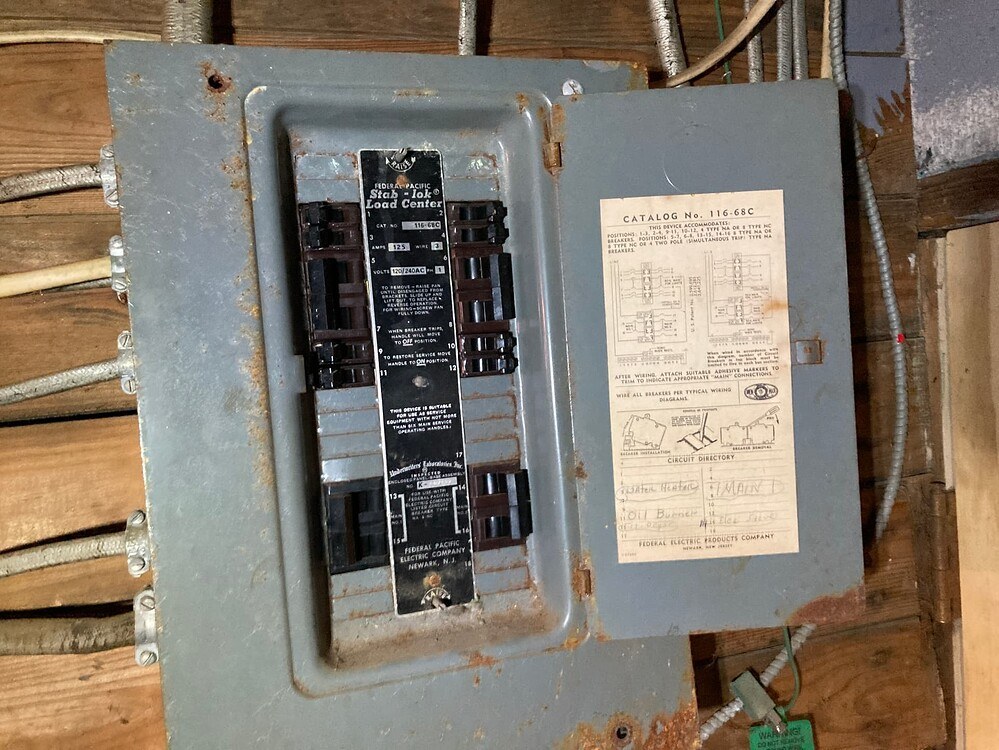
How it shows up in Montréal homes
I see Stab-Lok panels mostly in houses built or upgraded between the 1950s and the 1980s: bungalows and split-levels in Saint-Laurent, Ahuntsic, Laval and the West Island, and plexes where the original fuse box was replaced by a breaker panel in those years. Sometimes the panel was changed but a Stab-Lok sub-panel stayed in the basement, in a garage or for a second unit. In a plex, every unit can have its own panel, so I check each one.
What I check during the inspection
I read the label inside the panel door and the markings on the breakers. When it is safe to do so, I remove the panel cover to look inside: the condition of the breakers and the bars, burn or heat marks, two wires under one breaker screw, aluminum wiring on breakers not rated for it, and anything that doesn't belong in a panel. I also note the capacity of the main breaker, the empty spaces, and whether the breakers match the panel brand.
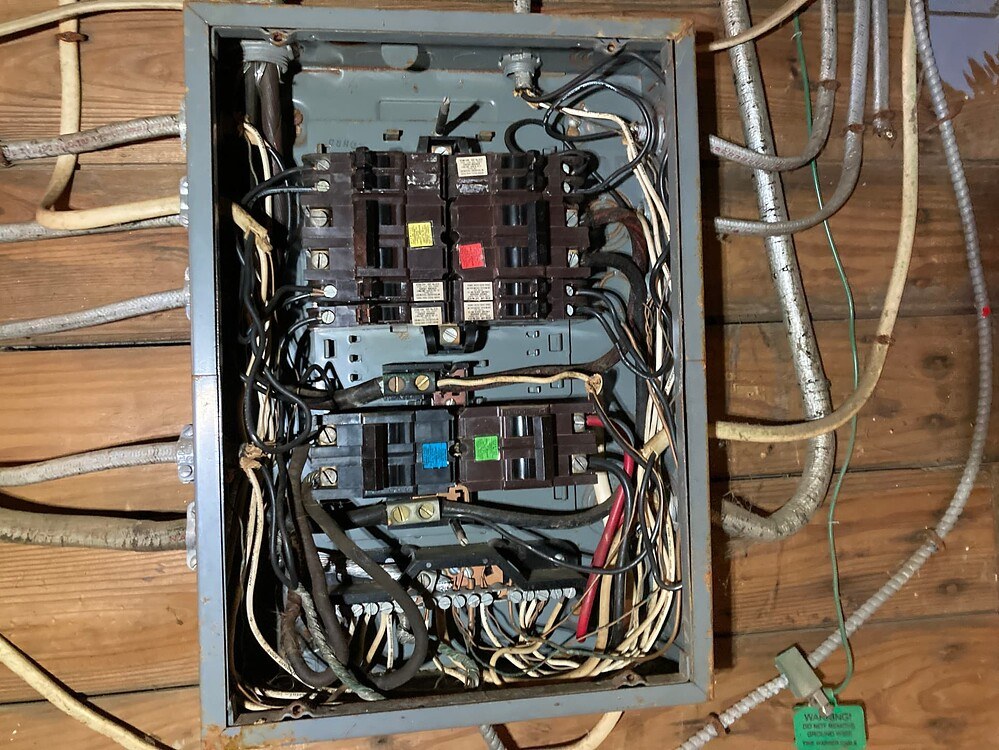
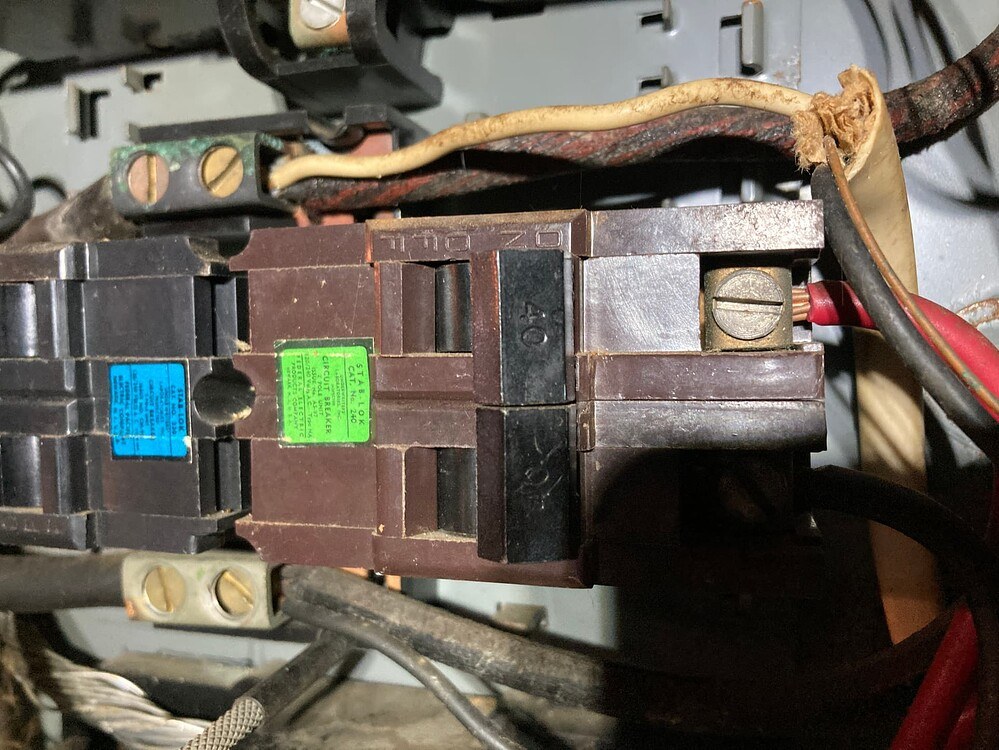
With the thermal camera, I can also look for breakers or connections that are hotter than the others. What I can't do is test whether a breaker will trip. Nobody can tell that by looking, and that is exactly the problem with Stab-Lok. So when I find one, the report says so with a photo, and recommends an evaluation by a licensed master electrician.
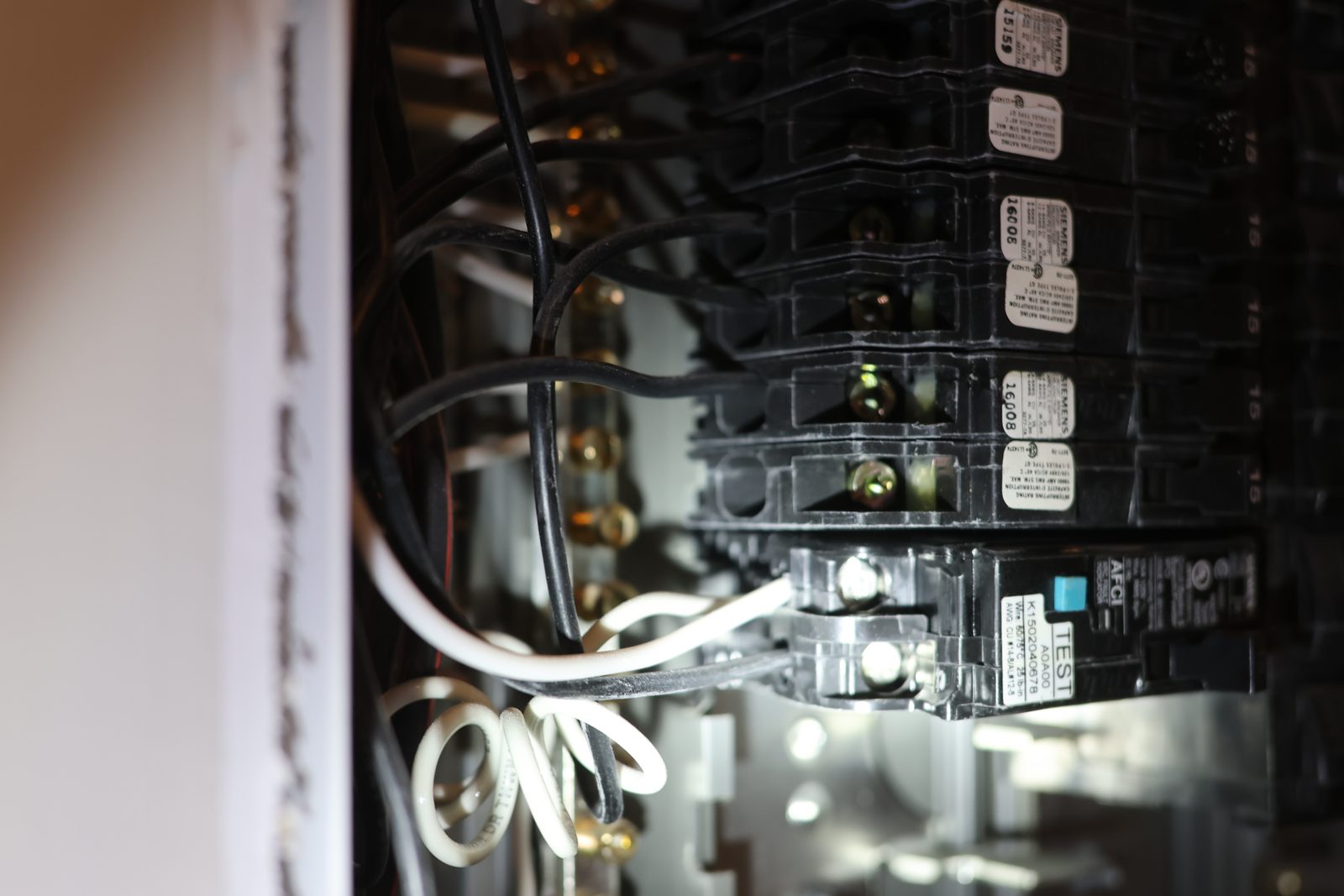
What it means for you as a buyer
A Stab-Lok panel is not a reason on its own to walk away from a house. It is a safety question, an insurance question and a cost. Some insurers will ask for the panel to be replaced, sometimes within a set delay after you buy. Replacing a panel is a job for a master electrician, and the price depends on the house: the capacity you need, the state of the wiring, and whether the service entrance and meter base must be redone too. I don't give prices, but an electrician will, and you want that number before you remove your inspection condition.
Also read the seller's declaration. If it says the electrical panel was replaced, check that it is the one you see in the basement, and ask for the invoice.
What to do next
If my report mentions a Stab-Lok or Federal Pioneer panel: call your insurer before the inspection deadline in your promise to purchase, ask a master electrician for an estimate, and talk to your broker about what to ask the seller. You can read more about what I check on the electrical inspection page. The electrical system is part of every pre-purchase inspection, with a written BNQ 3009-500 report and photos.
Buying a house or plex from the 1950s to the 1980s? Call 514-924-8887.
Like this kind of practical advice? Add MTL Home Inspection as a preferred source on Google: